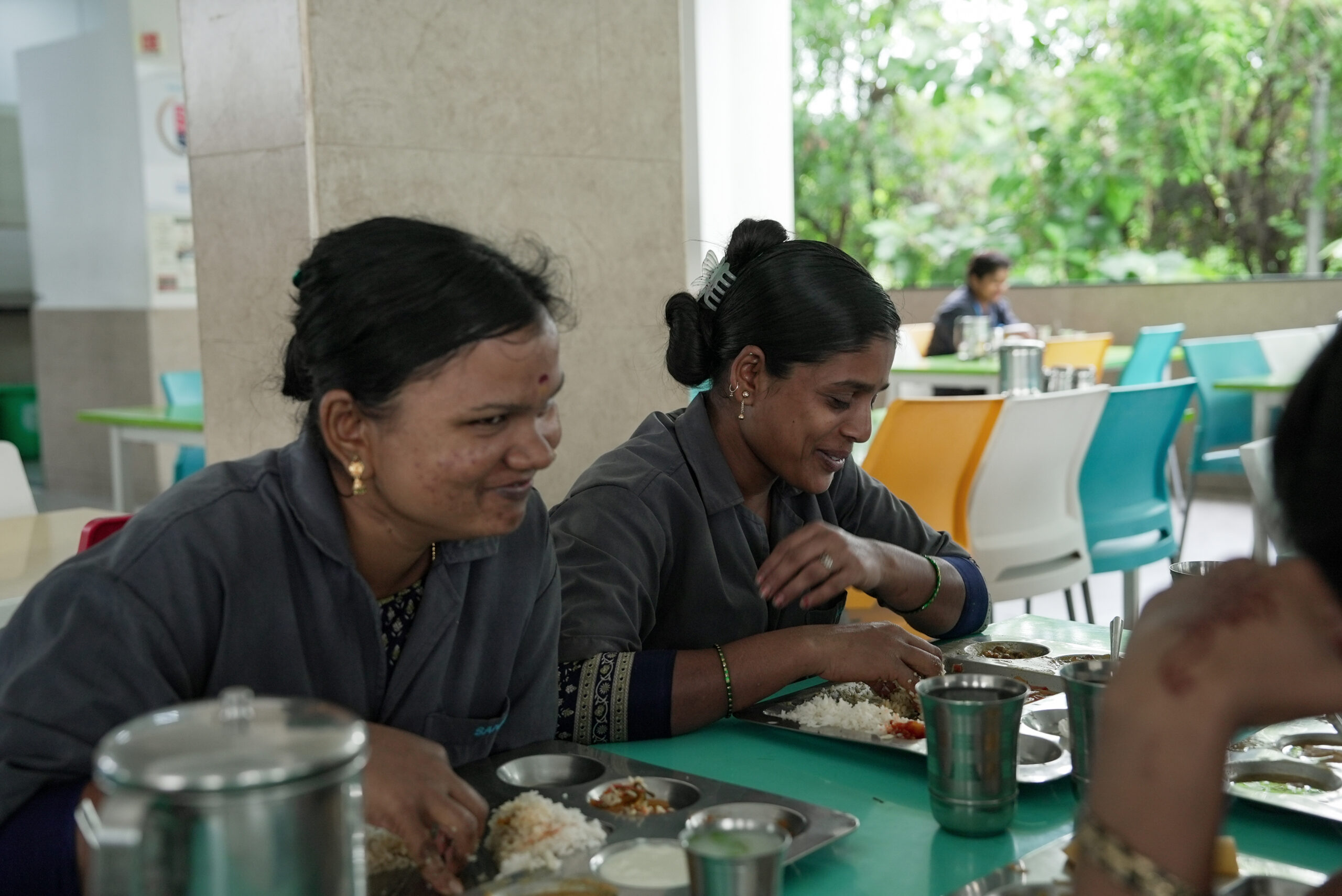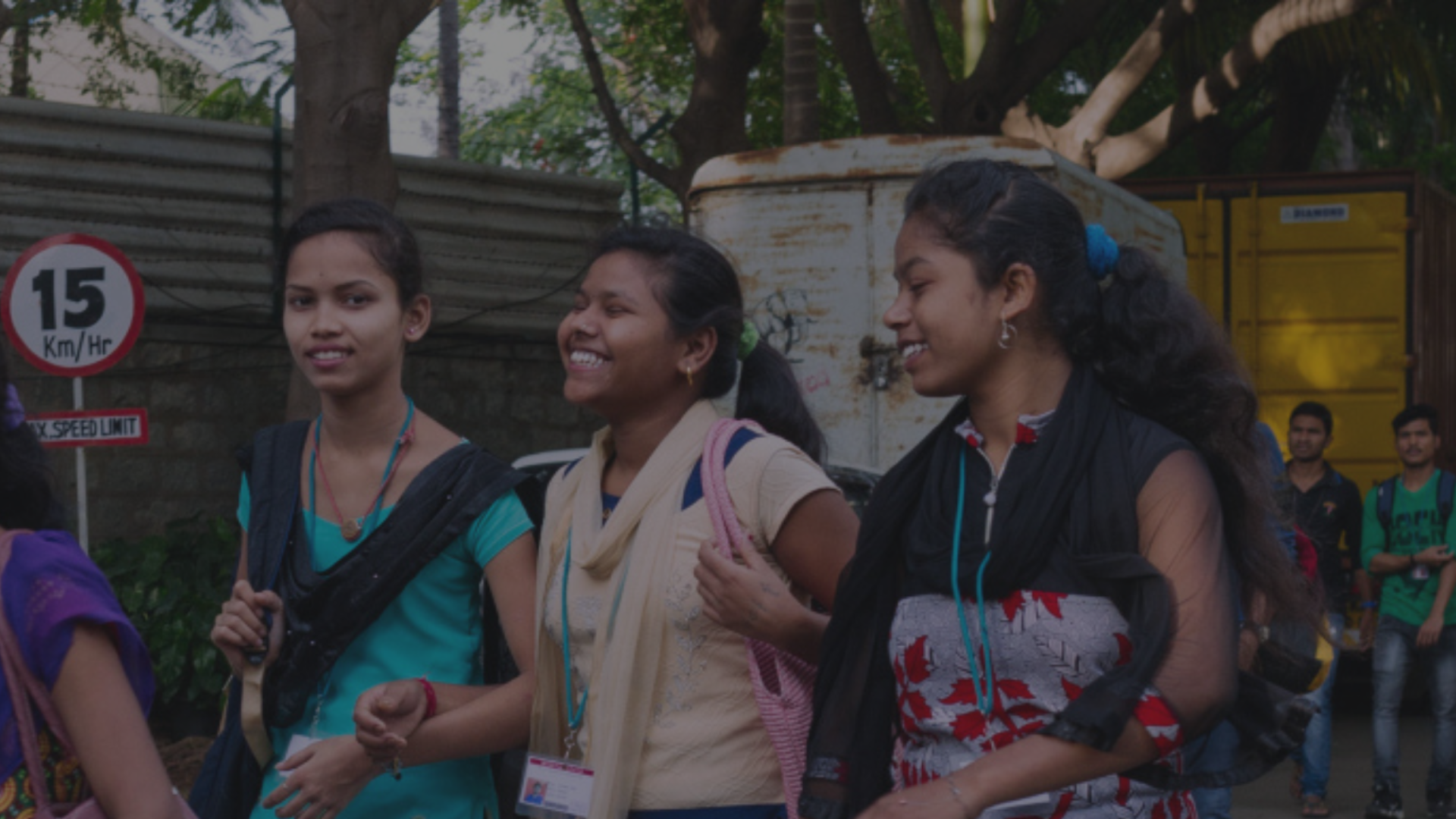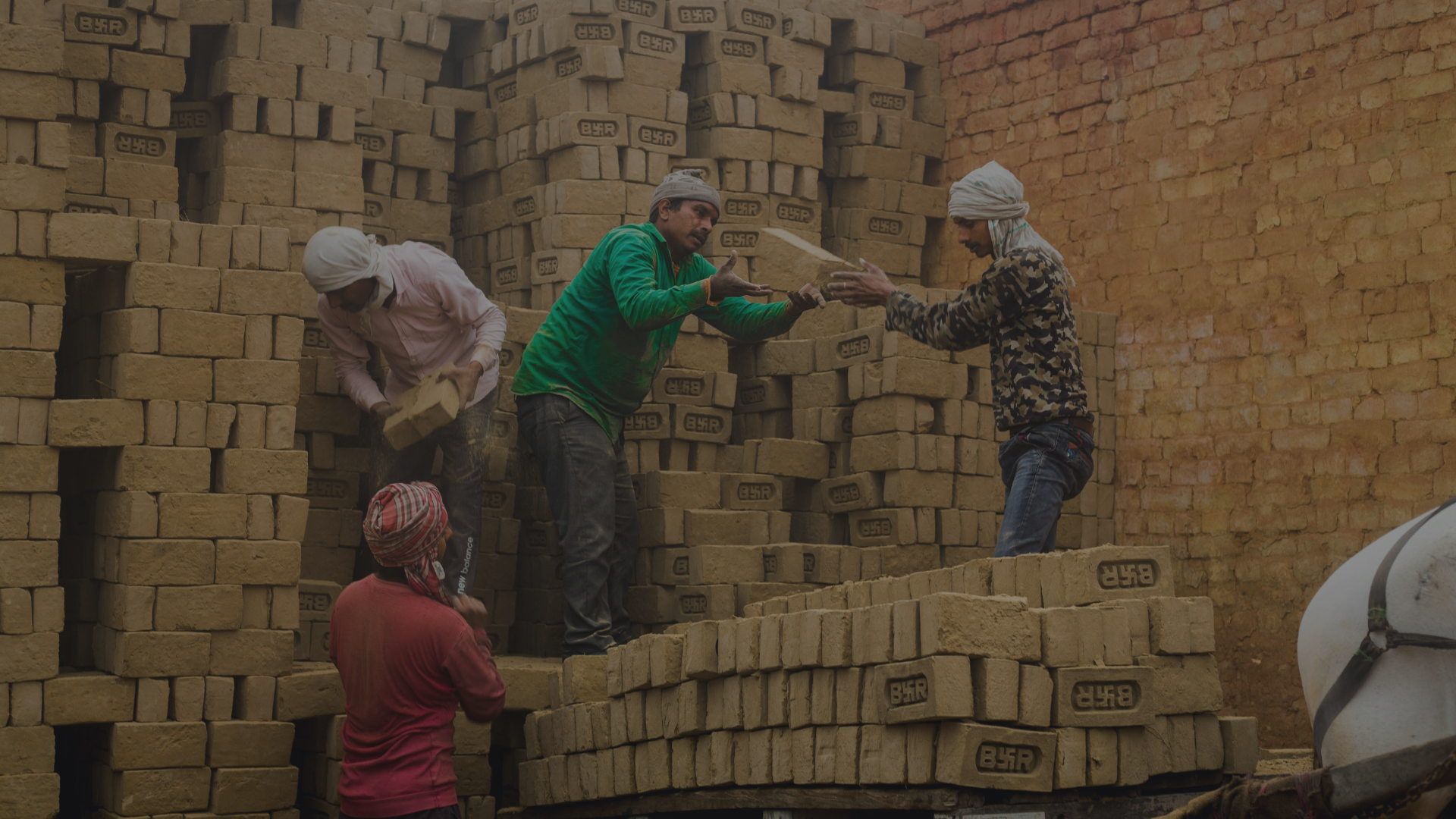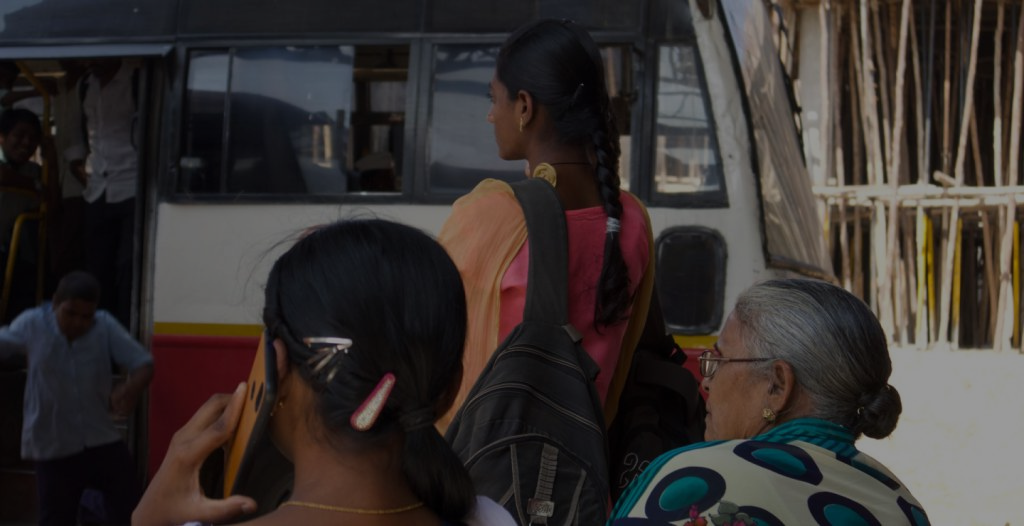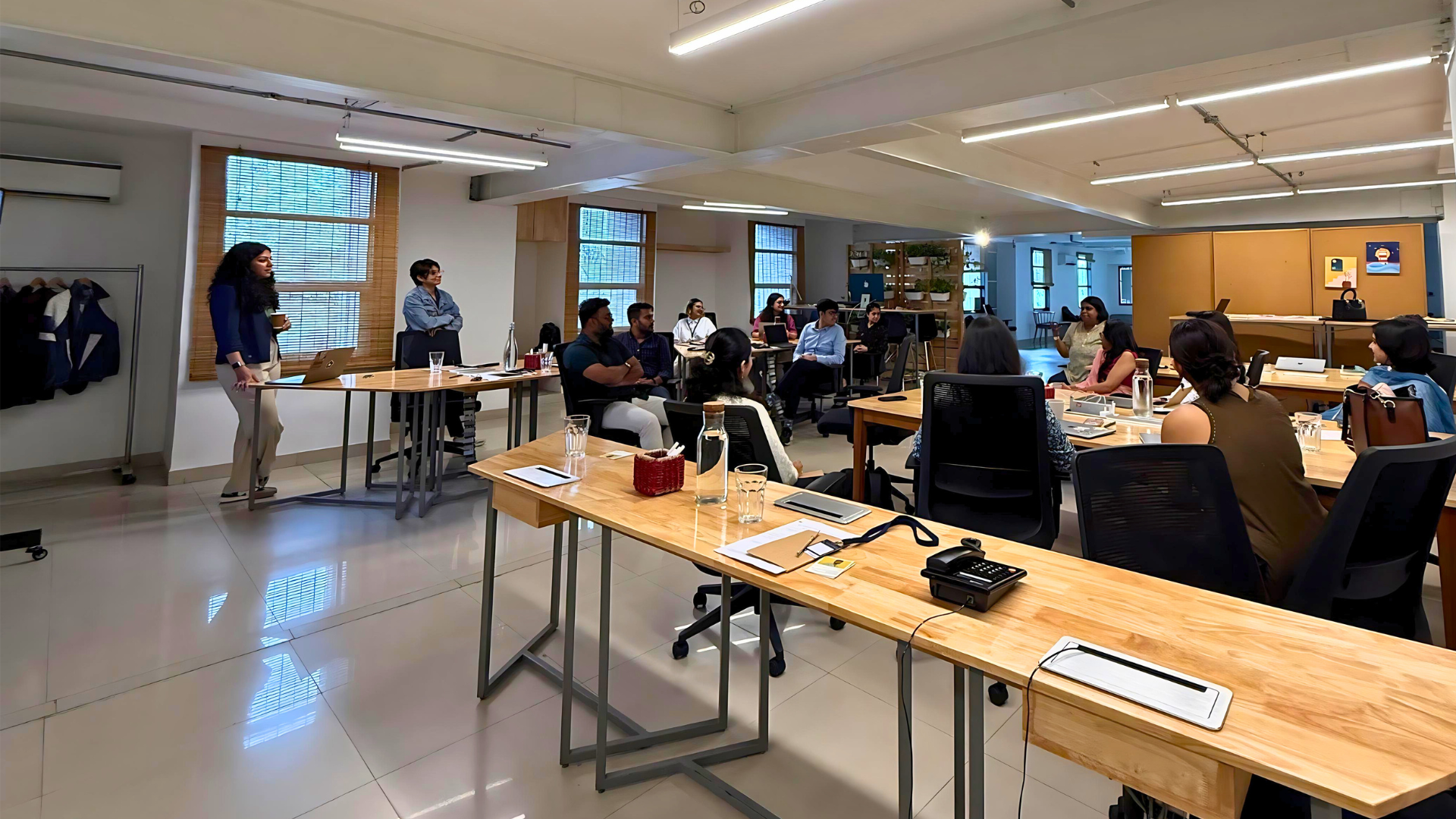

While peering into our laptops outside the workshop, a group of us heard 50 women sing a folk song on ‘sakhis’ (‘friends’) inside. I asked myself what had motivated these same women to come to learn and practice crocheting; training that was part of our intervention to enable women’s participation in India’s workforce.
The compensation for the work performed under the intervention was set at current Mahatma Gandhi National Rural Employment Guarantee Act (MGNREGA) rates. We saw that, on average, overall productivity climbed steadily. We also saw a rise in output that passed quality checks. These were the crochet products they would get paid for on a weekly basis. One of our participants went from making 63 paid products in the first week to 108 in the last. Women, in general, were getting better at making the crochet products as they did more of it. We can only claim this conclusively once we wrap up this year-long intervention that will engage 500 women in Rajasthan’s Neemrana and can dig deeper into the data.
It was interesting to see the parallel evolution of their aspirations with their crochet skills. A few questions came to mind when we would see these women every day:
- Why were they continuing this work?
- What were their expectations?
- Were those expectations being met?
We slowly understood the inherent dynamism of these answers. Some women were driven to the program through knowing someone who was advocating for it. But eventually, that lent itself to some focused aspiration. In other cases, women started with one specific goal which later grew into something else. These were great teaching moments for us about not just how aspirations can evolve but also how certain preferences are socially influenced. In the early weeks, some women shared that they had bought clothes or gifts for their children from the earned income while others had goals like purchasing a smartphone or repairing their home.
Responses like these to our survey questions on expenditure made us conscious on how we even frame such questions. We faced the complexity of recording social phenomena and what constitutes a ‘fact’. How can we sincerely represent these responses? I realised conversations often reveal nodes or insights which may have gotten missed as concrete knowledge. On first glance, it was a seemingly unremarkable use of their money. Yet you could not miss the radiance on their face while talking about it. We do not know how long after receiving the paycheck did they make use of it, or if it was purely used as an unexpected resource meant for additional things or measures that were stuck due to lack of funds. But the happiness on their faces was certainly not trivial. It became apparent that their goals, the ability to meet them, and the skills they were building fuelled each other.
At the end of the intervention for the first 46 women, it was an overwhelming yes from the women when asked if they see themselves continuing to look for work opportunities. I was very enthusiastically asked if this program would continue. When our partner organization Kalaa Trust conducted a meeting to ask if women would now be interested in organizing themselves as a Self Help Group and continue producing these products, there was an unbelievably enthusiastic response. Many of these women had engaged in paid work for the first time, and to see them want to continue working was probably the most amazing evolution of aspirations that we could have hoped for.
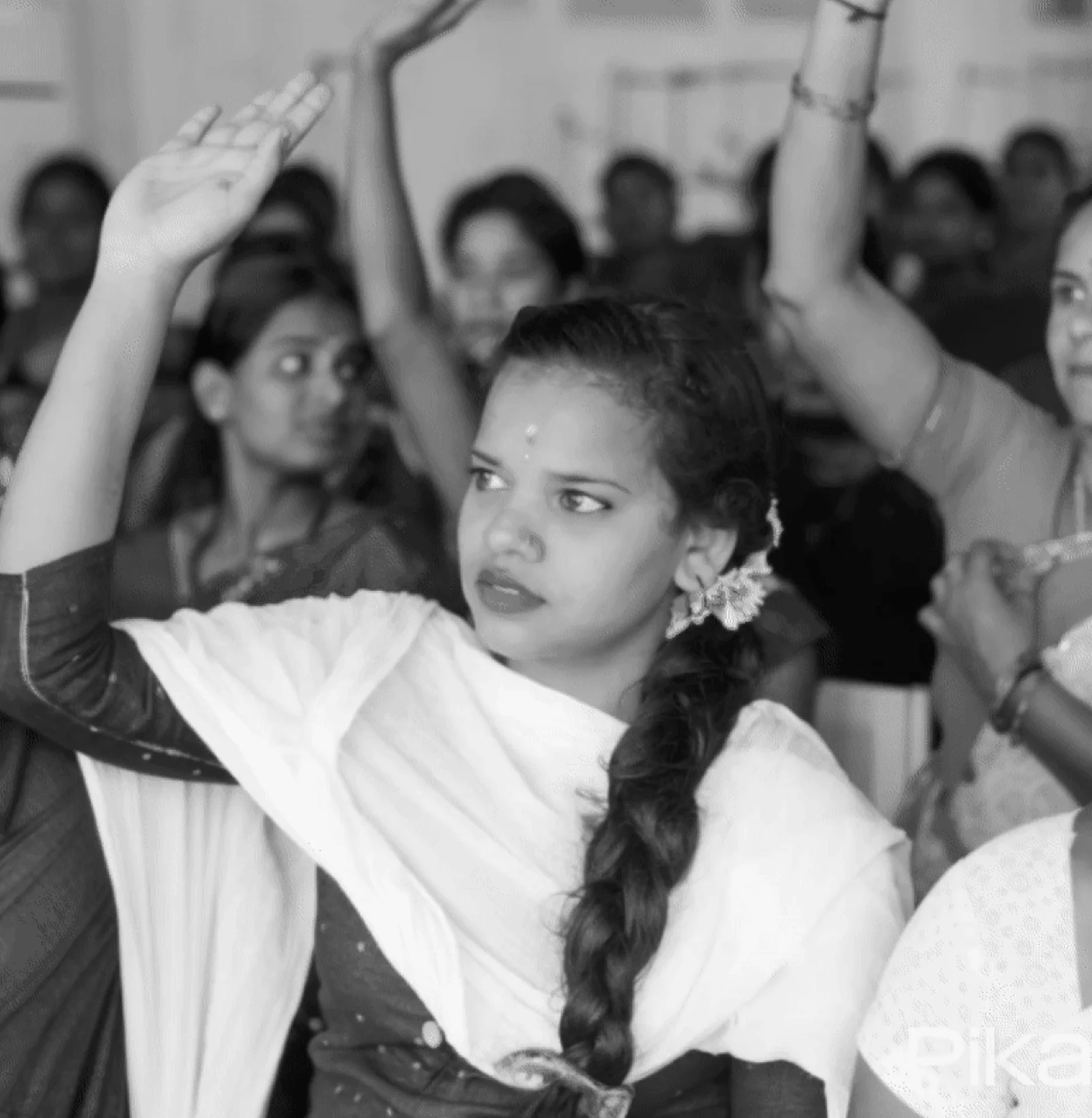
Despite our repeated iterations, prompts, and much to our chagrin, we could still tell that the images were AI-generated.
To quote my fellow Design team member:
“Why does this woman in the picture have a rupee coin for a bindi?!” That pretty much summed up our thoughts.
“Jai Shri Ram”
The driver’s loud ringtone interrupted my train of thought. He also shared his thoughts on our country’s political landscape, and how the only person he trusts is Tata ji. The industrial town is named after Jamsetji Tata, the founder of what is today a multinational conglomerate, The Tata Group. Finally, the scent of mango trees and the hoot of a distant incoming train welcomed us. We had arrived. We were also greeted by our field consultant, translators who would support us in translating the interviews to Bengali, and our exuberant point-of-contact from our then partner organization Bangla Natak, who introduced us to the women participants. She also said: “Your name is Deborah? How unique and lovely!” leaving me with a wide variety of opinions on my name in the span of one day. The women, seated under a large tree, were chatting and weaving the sabai (Chinese alpine rush) grass. The air was thick with the sounds of their children laughing, crying, and babbling, as they leaped and rolled around their working mothers. Amidst the searing heat and the dripping sweat, I enjoyed eating mangoes picked right off the ground and drinking ber (jujube) juice for the first time, courtesy of the lovely translators and field consultant. As the days passed on, I noted the lack of women on the streets after 6 PM, Tata’s name emblazoned everywhere (including on bricks!), and the overt saffronisation of the surrounding urban landscape.